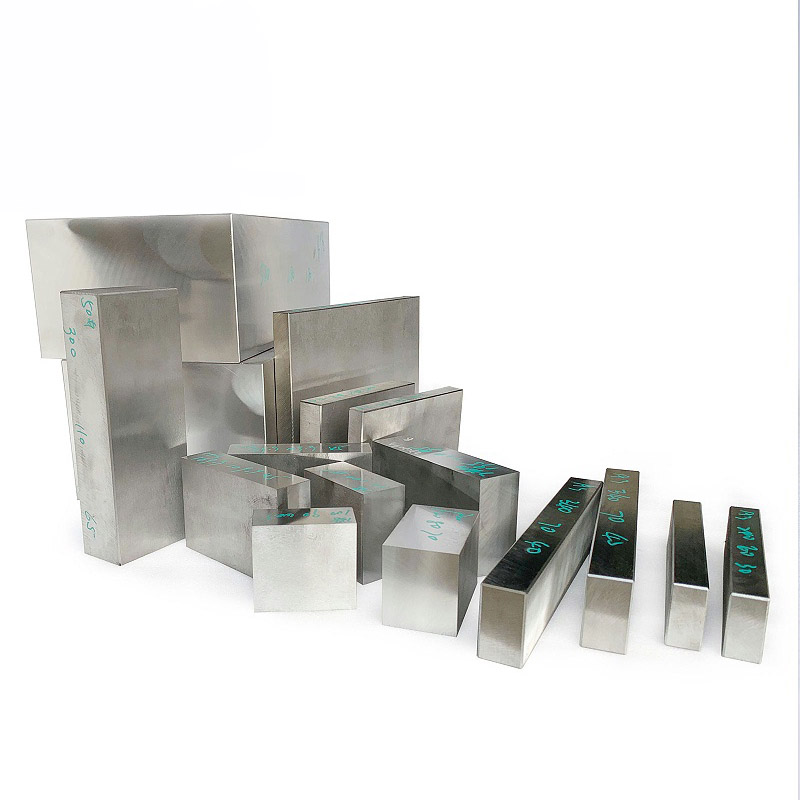
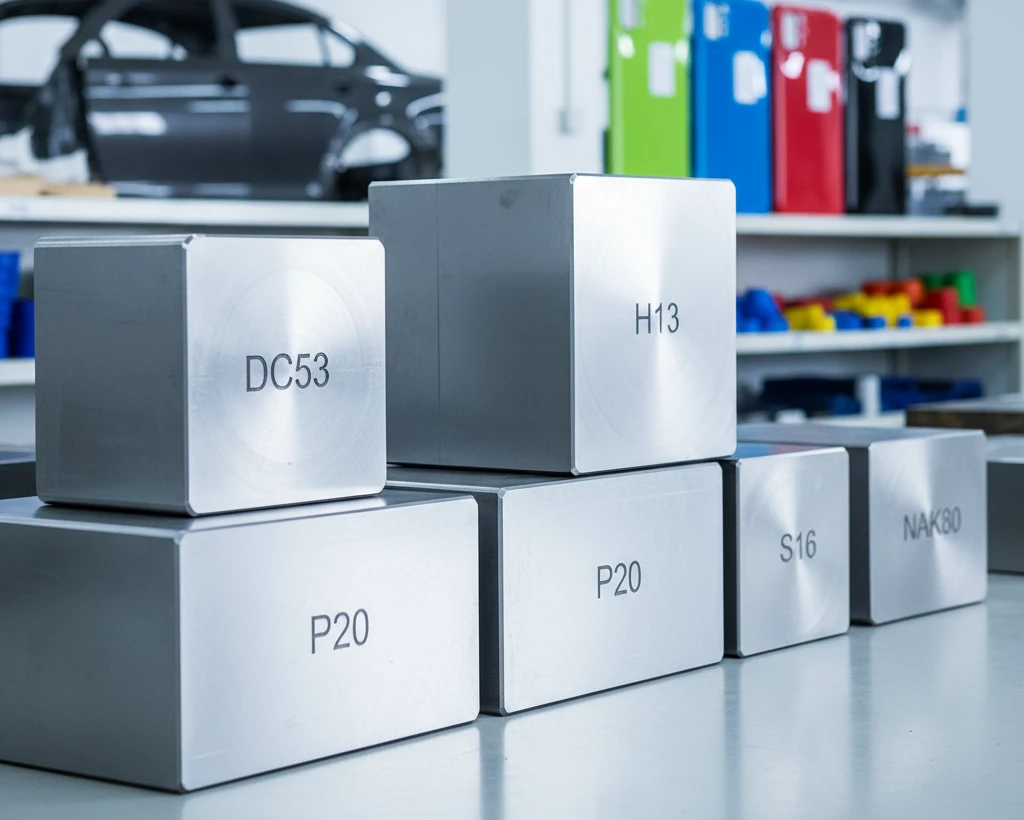
Wissen Sie, wie Karosserien oder Smartphone-Rückseiten geformt werden? Die Antwort liegt im Werkzeugstahl! Als „Held hinter den Kulissen“ der industriellen Fertigung bestimmt das Material des Werkzeugstahls direkt die Lebensdauer und Präzision der Form. Welche Werkzeugstahlmaterialien kommen also typischerweise zum Einsatz?
Gängiger Formenstahl lässt sich in drei Hauptkategorien unterteilen:
Kaltarbeitsformstahl(wie z.B. DC53, Cr12MoV, SKD11, D2) — Bekannt für seine „stahlähnliche Zähigkeit“, mit einem Kohlenstoffgehalt von bis zu 1.2%–2.3%. Legierungselemente wie Chrom, Molybdän und Vanadium verleihen ihm eine diamantähnliche Härte, die Stoßkräften von über 1000 MPa standhält. Es wird hauptsächlich für Stanz-, Kaltstauch- und andere hochfeste Operationen eingesetzt.
Warmarbeitsformstahl(wie z.B. H13, SKD61, 8407) — Der „hitzebeständige Pionier“. Chrom, Wolfram und Molybdän verleihen ihm eine Erweichungsbeständigkeit bei Temperaturen von bis zu 800 °C. Beim Druckguss von Aluminiumlegierungen sorgt er dafür, dass Formen stabil bleiben, ohne sich zu verformen oder zu reißen.
Kunststoffformenstahl(wie z.B. P20, S136, NAK80) — Der „sanfte Handwerker“. Mit einem Kohlenstoffgehalt von 0.3%–0.5% und der Zugabe von Nickel und Kupfer erreicht er eine spiegelglatte Oberfläche, wodurch Muster auf Handyhüllen oder Spielzeug so detailliert wie Haarlinien werden.
Die Wahl des richtigen Formenstahls ist wie eine „Versicherung“ für Ihr Produkt. Von der Luft- und Raumfahrt bis zu Gütern des täglichen Bedarfs, hochwertigerWerkzeugstahlkann die Lebensdauer von Formen um mehr als das Dreifache verlängern und die Kosten um bis zu 40% senken. Wenn Sie das nächste Mal ein Präzisionsteil sehen, denken Sie an die „Stahlweisheit“, die dahintersteckt!