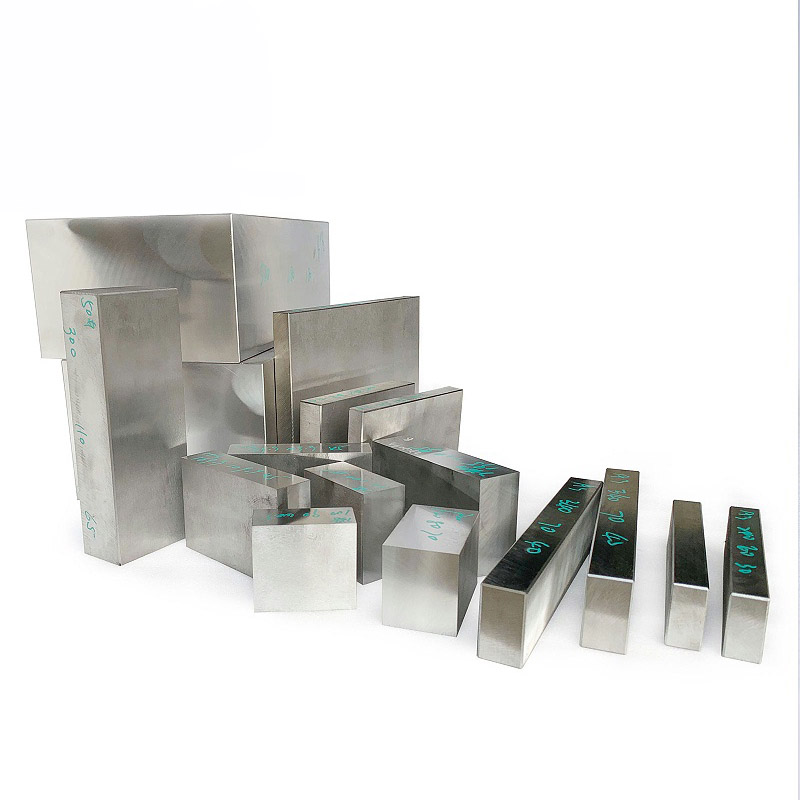
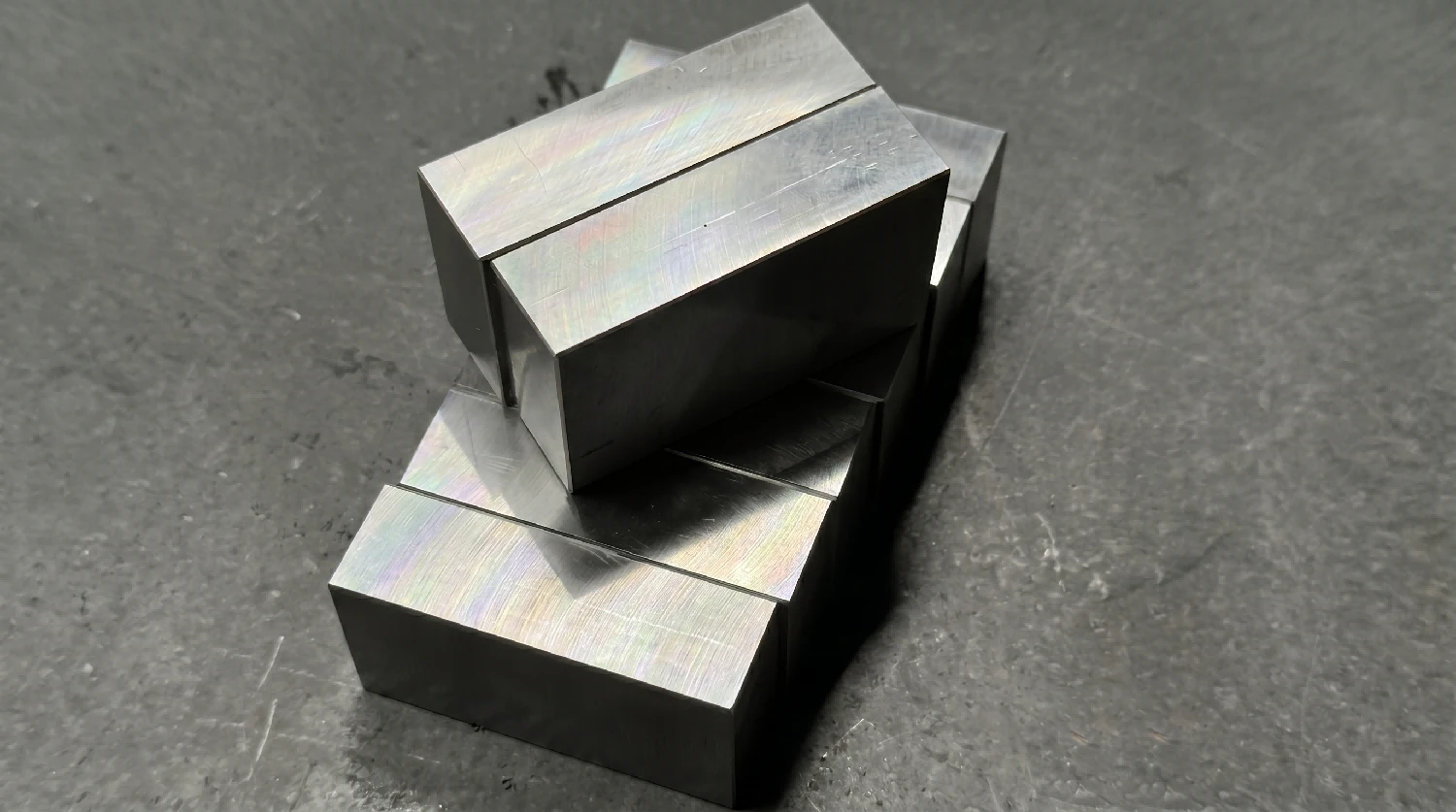
When purchasing mold steel for the first time, many customers immediately ask how much a certain grade of steel costs without even explaining what type of mold it will be used for. If the application scenario is not clarified, it is easy to buy material that is too expensive or simply unsuitable. Today, MoldSteelLS will briefly explain this type of issue to help first-time buyers make accurate purchasing decisions.
First, Identify the Application of Mold Steel
Mold steel is mainly divided into three major categories: plastic mold steel, die-casting mold steel, and hardware stamping mold steel. Before purchasing, you should first distinguish clearly between these three categories. How are these three types of mold steel differentiated? It is actually simple: the key factor is carbon content.
Different applications require different material properties and chemical compositions. It is not a matter of which steel is better; rather, each steel grade corresponds to its own working environment and performance requirements.
Hardware Stamping Mold Steel
Steel used for hardware stamping usually has a relatively higher carbon content. In most cases, the carbon content is generally between 1.0 and 1.5.
Hardware stamping molds inherently require high wear resistance, so this type of steel is designed with a higher carbon content.
For example, FS353 steel, commonly known as DC53, is a grade whose typical application scenarios are well known in the industry. It is no exaggeration to say that when the carbon content reaches 1.0 to 1.5, it can be used similarly to Cr12MoV. If the application is hardware stamping, the first thing to determine during procurement is the required level of wear resistance.
Die-Casting Mold Steel
The die-casting process emphasizes the balance between overall toughness and wear resistance. In a production environment at around 500°C, the material must be able to maintain stability. Steel grades used for die-casting also have a carbon content of approximately 0.4, but they generally contain higher molybdenum content to adapt to such harsh operating conditions.
If you are purchasing steel for a die-casting mold, first confirm the die-casting temperature and machine tonnage, and also determine whether the material being cast is zinc alloy, aluminum alloy, or magnesium alloy.
Plastic Mold Steel
Finally, let us look at plastic mold steel. What is the difference between it and hardware steel? In plastic mold manufacturing, the material usually places more emphasis on toughness, polishability, and corrosion resistance, so its overall carbon content is much lower than that of hardware steel. Take S136 as an example: its carbon content is typically between 0.2 and 0.4, while hardware steel is typically between 1.0 and 1.5.
If it is used for plastic molds, procurement should focus on toughness, polishability, and corrosion resistance rather than selecting material based on the logic used for hardware steel.
Summary: What You Should Understand Before Purchasing Mold Steel
Therefore, for beginners purchasing mold steel for the first time, it is essential to first gain a general understanding of the categories. Steel for plastic injection molds mostly has a carbon content of about 0.2 to 0.4; die-casting grades also have a carbon content of roughly 0.4, but they typically contain higher molybdenum content to meet demanding production environments; hardware steel has relatively higher carbon content because hardware stamping inherently requires greater wear resistance.
So first, you should understand the general mold categories; second, understand the requirements of your mold. Then provide simple information to a mold steel supplier such as MoldSteelLS, and they can generally recommend suitable steel grades. This makes the procurement process easier and more efficient while helping you avoid buying material that is too expensive or unsuitable.