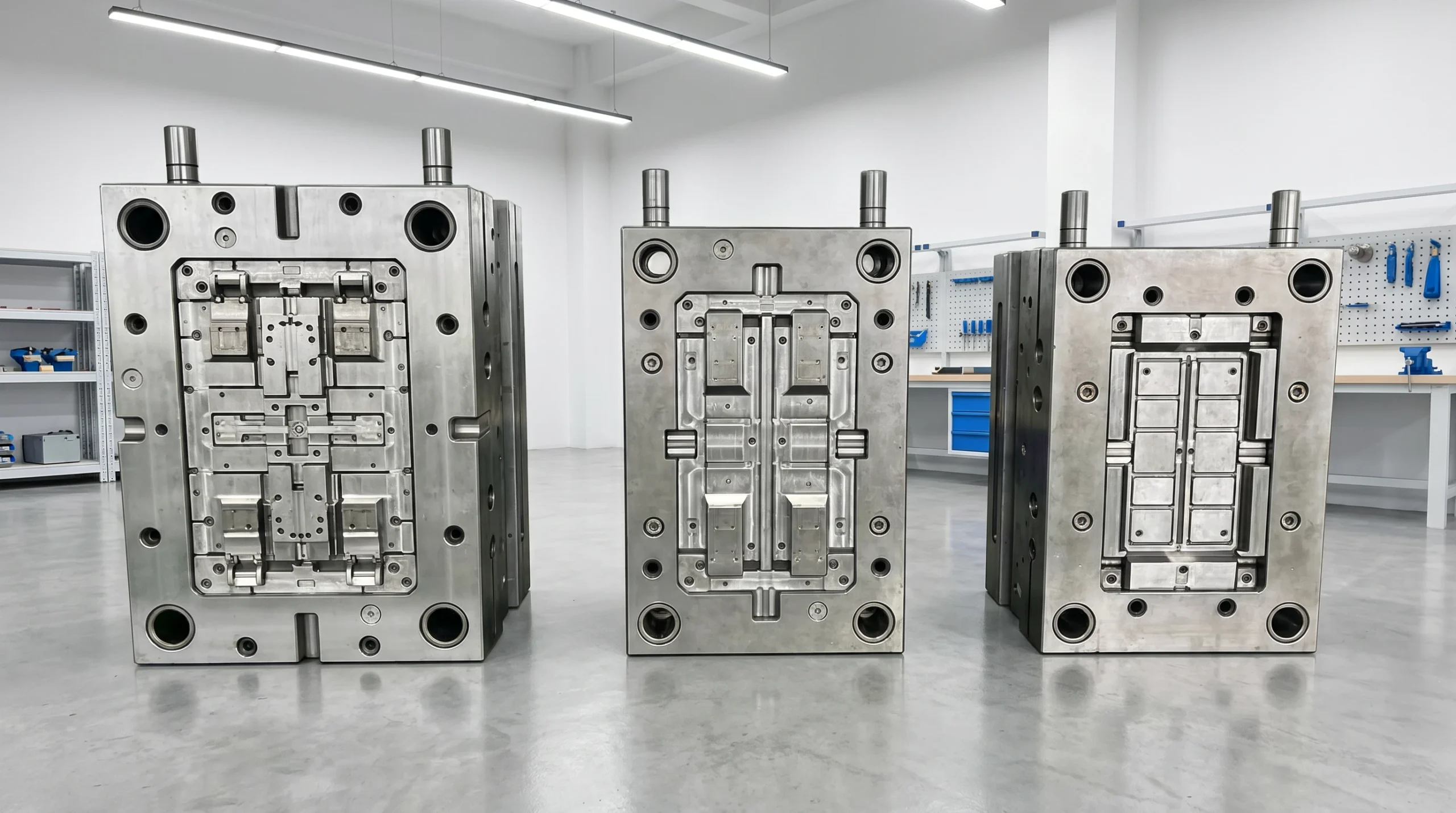
Recently, MoldSteelLS received an inquiry from an injection molding factory in Shenzhen, Guangdong. The customer said they were producing an injection mold for PPS with 55% glass fiber and were using S136. After mass production began, they found that flash had increased in fewer than 5,000 cycles. After removing the mold for inspection, they discovered that the gate had been eroded and enlarged. The customer said that S136 was not considered a poor steel grade, there had been no obvious negligence during machining, and heat treatment had also been completed, so they could not understand why the mold had such poor service life.
We asked the customer to send photos of the gate area. After analysis, we found that although S136 is considered a good steel, its wear resistance is still far from sufficient for 55% glass fiber. Glass fiber itself has high hardness, and during flow it repeatedly impacts the gate like an abrasive medium. Under high temperature, high pressure, and high flow velocity, erosive wear progresses even faster.
After we explained this, the customer immediately understood the issue. Since the customer was engaged only in injection molding and outsourced the mold manufacturing, they were not familiar with the matching relationship between mold materials and plastic raw materials. At that time, they only required the mold maker to use S136 because they believed it should be the best steel. They had never expected that glass fiber would have such strong abrasive action.
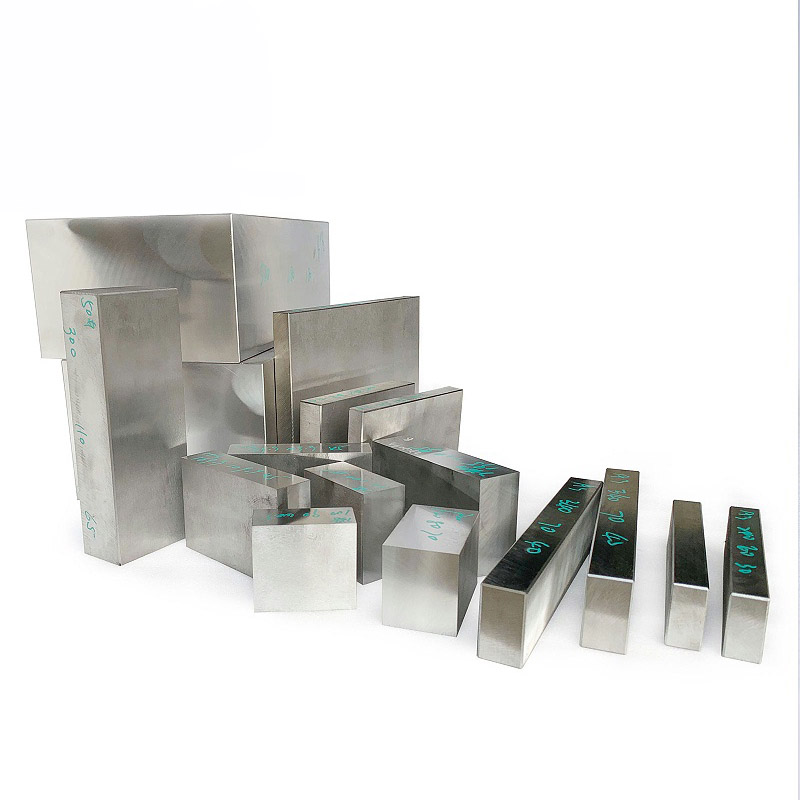
Therefore, before purchasing mold steel in the future, it is advisable to first gain a basic understanding of the material used for the injection-molded part. This is even more important when making molds for glass-fiber-reinforced plastics. For plastics filled with glass fiber, one recommended option is TGX12. It has high hardness, at HRC 58-61, and can withstand glass fiber erosion. It also offers low surface friction and is less prone to material adhesion, which helps reduce gate erosion. At the same time, its toughness is also sufficient, so edge chipping is less likely even at high hardness, making it more stable under high-pressure injection molding. Of course, there are other suitable options as well. Careful evaluation in the early stage before mold production is necessary to avoid affecting delivery schedules and wasting time and cost, which would not be worthwhile.