When comparing quotations, many customers find that the price for the same piece of mold steel can vary greatly from one supplier to another, sometimes even doubling. The reason is not necessarily a major difference in the material itself but whether the quotation includes subsequent processing and material loss. MoldSteelLS often hears customers ask why our price is higher than another supplier’s or why others quoted much less. As a practitioner in wholesale mold steel and machining services, we clearly understand what kind of quotation the customer is actually receiving. However, no matter how we explain it, it is often difficult to make this clear, so today we are writing an article about why the price difference is so large and what needs attention.
Mold steel is not simply purchased as a full plate and sold as a full plate. In numerous instances, what customers require is not a full plate but cut-to-size pieces and scattered small-lot cuts delivered piece by piece. As long as cutting starts from the mother material, there will inevitably be scrap. This scrap was originally purchased by us at tens of thousands of RMB per ton, but when sold afterward, it can typically only be disposed of as scrap steel at RMB 2,000 to 3,000 per ton, or RMB 3,000 to 4,000 per ton. This is about $308 to $462 per ton or $462 to $615 per ton. This alone already represents a very high cutting cost.
In addition to scrap, there are also remnant materials. Because the material is not sold as full plates, a considerable amount of remnants usually remains after cutting. These remnants cannot simply be left in storage. They must be managed and clearly labeled with the steel grade and effective thickness so that they can be conveniently reused later. Remnant inventory control itself is also a cost.
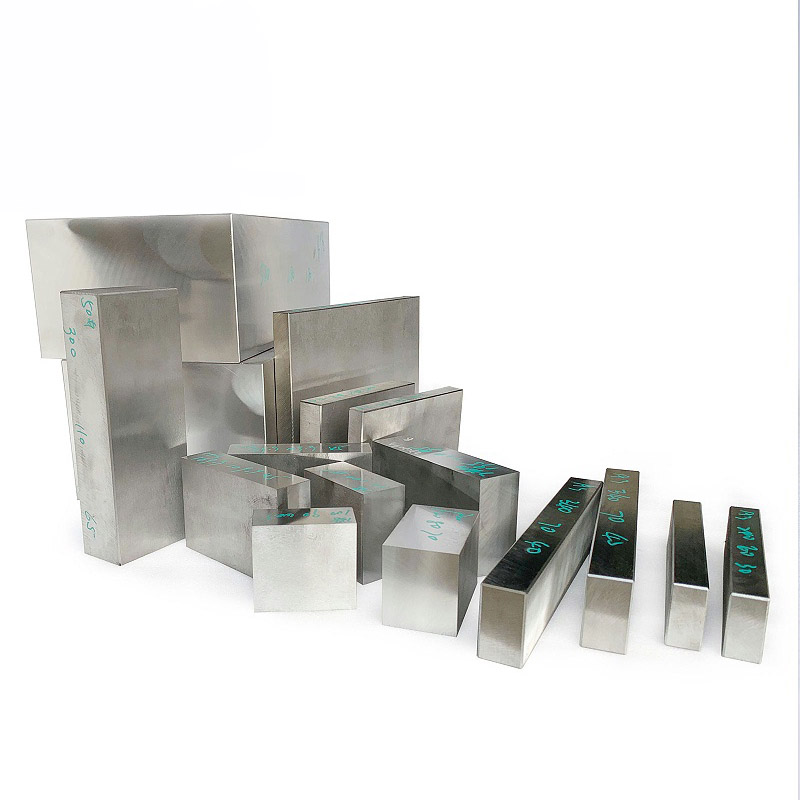
For example, the finished-machined blocks that customers see were not smooth from the beginning. They are milled step by step from rough stock. During this process, more than ten tons of iron chips are generated every month, and in some months, it is not unusual for this amount to reach more than ten or even twenty tons. In the final analysis, these iron chips are also milled off from material originally costing tens of thousands of RMB per ton, but eventually they can only be sold as scrap iron at RMB 2,500 to 2,600 per ton. This is about $385 to $400 per ton. These losses are real and unavoidable.
There is another common situation. When we purchase material, one specification often has to be stocked in quantities of several tons, but what the customer actually needs may be only one minimal piece. Even if it is only such a small piece, we still have to arrange production as usual. The remaining material, subsequent loss, and management requirements gradually become invisible but unavoidable costs.
So why do some suppliers offer a very low initial quotation? In numerous instances, they have only quoted the raw material price without including cutting, milling, grinding, piece-by-piece cutting, scattered small-lot cutting, remnant management, and machining loss. After the customer sends over the drawing, processing charges and loss charges are then added little by little. In the end, the total price is actually not low at all.
What should really be compared is not who offers the lower starting price, but exactly what is included in that quotation. If these processing costs and material losses are not included, then the quotation is most likely only cheap on the surface.