How to Identify Genuine NAK80 Mold Steel and Avoid Fake Materials
In NAK80 mold steel procurement, companies often face issues such as unscrupulous suppliers passing off inferior products as premium ones (for example, domestic material being sold as imported), and material chemistry and hardness failing to meet specifications. These problems not only affect production quality but can also cause significant economic losses. Mastering scientific identification techniques is the key for companies to mitigate these risks. This content is compiled from our experience in mold steel machining projects for your reference.
Step 1: Request Samples and Mill Certificates from the Supplier to Lock in Key Information
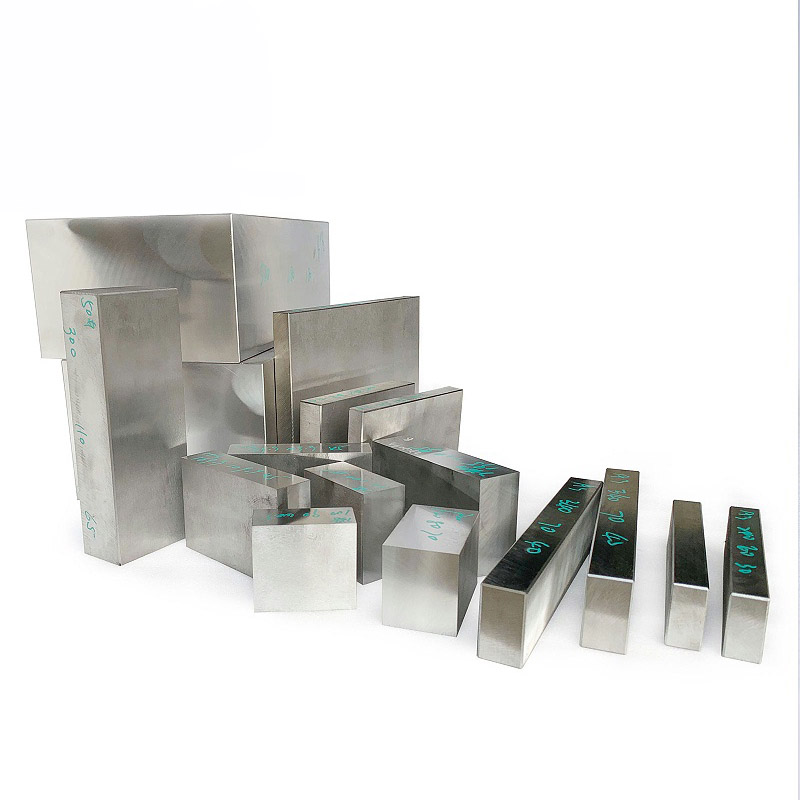
The first step in identifying genuine NAK80 mold steel is to clearly require the supplier to provide samples together with the corresponding mill certificates. The mill certificate must clearly indicate the core parameters of the material, including key alloying element content (e.g., Cr and Ni) and hardness values. These are the fundamental references for subsequent verification. By comparing the samples to the mill certificate first, you can filter out materials that are obviously below standard.
Step 2: Third-Party Testing Is the Core – Focus on Verifying Chemistry and Hardness
Third-party testing is the core step for ensuring the authenticity of the material. The company should independently send samples to accredited testing institutions, focusing on verifying two key indicators:
First is the conformity of chemical composition. Chromium (Cr) is a key element for improving the wear resistance of mold steel. Some NAK80 materials on the market have Cr contents nearly 0.5 percentage points below the specified range of 1.50–2.00%, resulting in a significant reduction in hardness and corrosion resistance. Second is the compliance of hardness. We have received customer feedback that the purchased “NAK80” is causing frequent chipping during precision mold machining. After testing, the hardness was found to be only 32 HRC, well below the required range of 38–42 HRC. Only when both chemistry and hardness meet specification can the material be considered preliminarily qualified.
Step 3: Avoid the Risks of Manual Judgement and Reject “Experience-Only” Approaches
It is important to be alert to relying on manual experience alone to judge the authenticity of materials. In real procurement scenarios, some suppliers may perform mirror polishing or special heat treatment on domestic materials to achieve an appearance almost identical to that of imported materials. If you rely only on “color tone,” “surface gloss,” or “hand feel,” it is very easy to be misled by surface treatments. Moreover, the traceability of imported materials is often complex, and subjective experience-based judgment is prone to misjudgment. Therefore, objective data from third-party testing must be treated as the only reliable standard, and unverified identification methods should be firmly rejected.
Conclusion
The identification of genuine NAK80 mold steel must strictly follow the three-step method of “request samples and mill certificates – perform third-party testing for chemistry and hardness – rely on data instead of manual judgement.” Companies should focus on Cr content (to avoid insufficient wear resistance caused by low Cr) and hardness indicators (be highly alert to substandard products with hardness around 32 HRC). Through scientific testing and verification, you can effectively avoid traps such as unscrupulous suppliers using domestic material to pass off as imported NAK80.