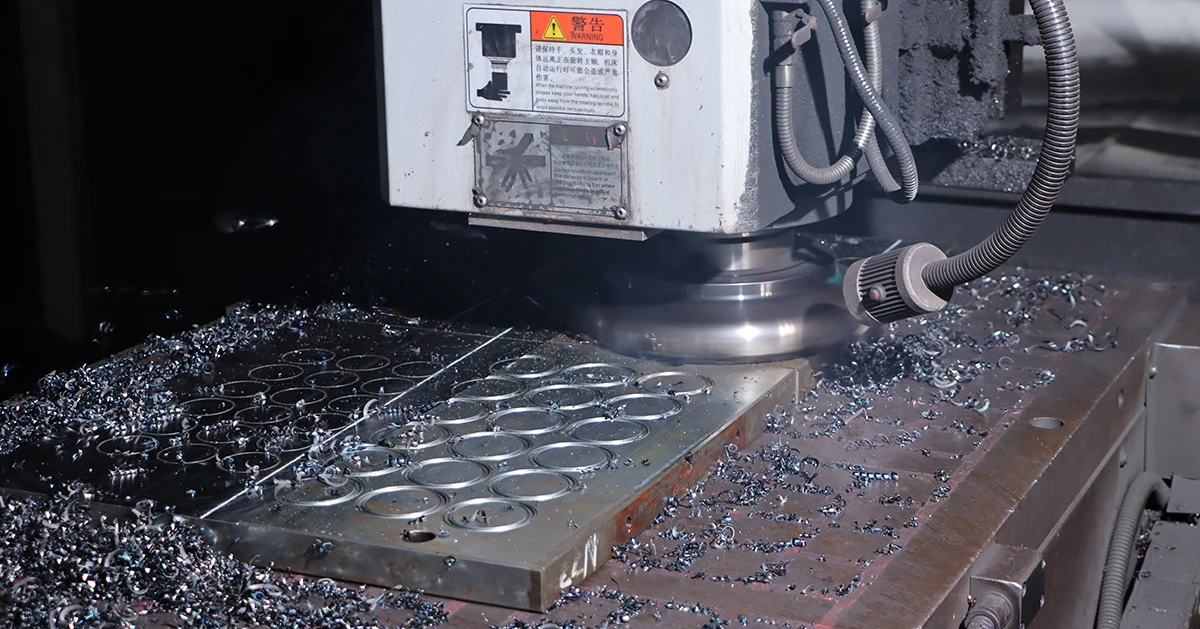
Recently, during factory visits, one factory engaged in mold making and injection molding reported that it suspected its mold steel supplier had substituted inferior material for good-quality steel. In previous purchases of the same mold steel grade, there had been no issues. However, during mold machining this time, they found that the wear resistance had dropped significantly. Later, they noticed that the delivered steel had no original mill markings. After testing it with an instrument, the result indicated that the Cr content was 0.2% lower than the standard. Today, MoldSteelLS will discuss the risks of a 0.2% deviation in Cr content in mold steel and whether it needs special attention.
What Is the Function of Cr Content in Mold Steel?
Cr is the chemical symbol for chromium, which refers to the content of chromium in mold steel. It mainly affects the following aspects:
- Wear resistance
- Hardness stability
- Hardenability
- Heat treatment performance
- Corrosion resistance
Let Us Look at the Risks of a 0.2% Deviation in Cr Content in Mold Steel
1. Wear resistance may decrease
Chromium in steel is not just an ordinary element; it affects wear resistance. Chromium combines with carbon to form carbides, and this type of structure is beneficial to wear resistance. If the chromium content is too low, then it is necessary to consider whether the steel should continue to be used.
2. Hardenability and heat treatment performance may be affected
Chromium can improve the hardenability of steel. It not only alters machining wear resistance but also impacts hardness after heat treatment and microstructural stability, all of which may differ from the previous batch of normal material.
3. For molds already in production, wear cannot be judged by hardness alone
Some wear is adhesive wear, and some is abrasive wear. In some cases, even if the hardness is not low, if the material structure is poor or the carbide condition is poor, the mold will still wear quickly.
Therefore, the impact caused by composition deviation is often not just about whether “the hardness has dropped or not.” Many factories misjudge this issue as simply being a steel hardness problem.
4. Different steels respond differently to a 0.2% deviation
A 0.2% deviation in Cr content does not mean that the wear resistance of every steel grade will decrease. For steels that are already low-chromium, the reduction is usually more obvious. For high-chromium steel, the impact is relatively smaller.
5. Is it normal for steel to have no original mill markings?
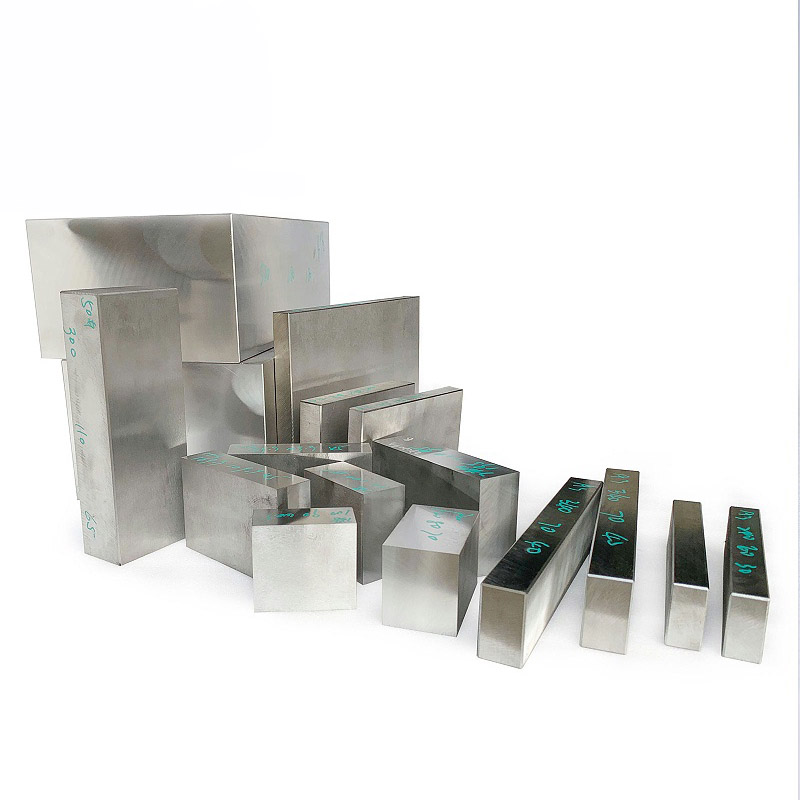
Typically, if processing into steel blocks or mold bases is required, there will be no original mill markings afterward. The steel has markings when it leaves the mill, but that is on full-length bars or large plates. When delivered to the mold factory, it is typically already cut and polished. At MoldSteelLS, we always provide customers with the steel mill’s electronic inspection report, and before shipment we also use instruments for our inspection to confirm compliance before shipping to the customer. This is the safest approach.
However, it is also common for some mold steel suppliers to make mistakes and pick up the wrong steel material due to carelessness, so it is essential for suppliers to have in-house inspection capability.
6. What kinds of molds can accept a 0.2% deviation?
If the future order quantity is not large, the number of uses is not high, and a lower price is acceptable, then it may still be acceptable. But for products with high production volume, it is recommended not to use it because the later losses will not be just the issue of one set of molds.
MoldSteelLS suggests that if you encounter this kind of problem, the first thing you should do is check what type of product mold you are making. For large molds, precision molds, or molds intended for high-volume future production, it is recommended to replace the material directly. If procurement specifications were written clearly at the time of purchase, you can ask the mold steel supplier to negotiate a material replacement. For future purchases, require the mold steel supplier to provide the original mill inspection report and request a retest of the chemical composition with a report. Doing so can reduce a lot of instability.